
Helping Shy Kids Thrive: What Parents of Quiet Children Need to Know

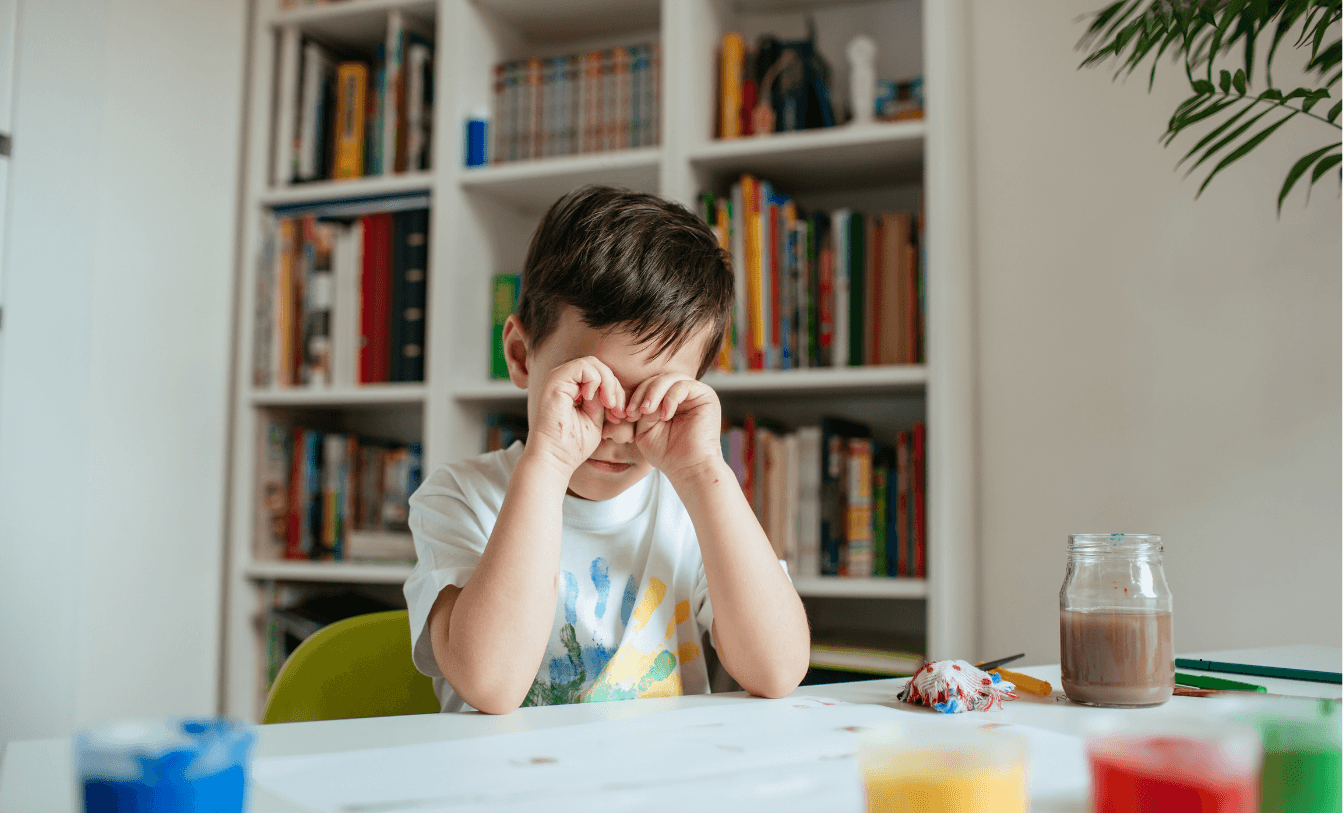
The birthday party is in full swing. Kids are running, shouting, diving into games. And your child is standing at the edge, watching. Maybe they're clinging to you. Maybe they've found a quiet corner with one other kid and a pile of Legos.
You watch the bold children and wonder: Why isn't mine like that? Should I push them to join in? Is something wrong?
Here's what you need to know: Probably nothing is wrong. And the way you respond in these moments matters more than you might think.
This Is Temperament, Not a Flaw
Some children are simply wired to approach the world more cautiously than others.
This isn't shyness in the way most people use the word. It's temperament: a biological trait that appears early, remains remarkably stable, and shapes how a person responds to stimulation throughout their life.
Psychologist Jerome Kagan spent decades studying this. In his landmark research, he found that about 15-20% of infants show "high-reactive" responses to new stimuli. At four months old, these babies react to unfamiliar sights, sounds, and people with more motor activity and distress than their peers.
When Kagan followed these children over years, he found something striking: their temperament was extraordinarily stable. Only about 3% actually changed categories. The cautious infants became cautious toddlers, then cautious children, then cautious teenagers. This wasn't a phase. It was who they were.
And here's the number that might surprise you most: somewhere between 30 and 50 percent of the population identifies as introverted. Your quiet child isn't unusual. They're just in a society that tends to notice and reward the loud ones.
Three Things That Get Confused
When adults see a child hanging back, they often reach for the word "shy." But that word blurs together three very different things.
Introversion is a preference for less stimulation. Introverted kids aren't afraid of social situations. They just find them draining and need time alone to recharge. A party with thirty kids isn't scary; it's exhausting. There's nothing painful about introversion. It's simply a different way of engaging with the world.
Shyness is discomfort in social situations, often rooted in fear of judgment. A shy child wants to connect but feels anxious about it. Unlike introversion, shyness can feel painful. Many shy children are actually extroverts who crave connection but struggle with the fear that comes with it.
Social anxiety is shyness amplified to the point where it interferes with daily life. It's a clinical condition that benefits from professional support.
These categories overlap, but they're not the same. An introverted child may be perfectly content at the edge of the party. A shy child is uncomfortable there. Treating introversion like a problem to fix misses the point entirely.
The Strengths Nobody Talks About
Our culture celebrates the outgoing child: the one who speaks up in class, makes friends instantly, commands attention. But cautious children have their own advantages, and research backs this up.
Introverted children get better grades than extroverted ones, despite having no difference in IQ. They win a disproportionate number of academic honors. They're more likely to think before acting, to listen carefully, to persist with complex problems.
Susan Cain, author of Quiet, points to research showing that children with careful temperaments are more conscientious and empathetic than their peers. By age six, they cheat and break rules less than other kids, even when they think no one is watching. By age seven, they're more likely to be described by parents and teachers as empathetic.
"The glory of the disposition that stops to consider stimuli rather than rushing to engage with them," writes science journalist Winifred Gallagher, "is its long association with intellectual and artistic achievement."
These children aren't failing to be bold. They're succeeding at being thoughtful.
What Actually Helps
Stop calling them shy. Labels stick. When a child hears "she's just shy" over and over, they absorb it as identity. Susan Cain recommends replacing it with something like: "She's just taking it all in right now" or "He warms up at his own pace."
Prepare them for transitions. Cautious children do better when they know what to expect. Before a birthday party, talk through what will happen. Who will be there? What will they do? This isn't coddling. It's giving their careful brain the information it wants.
Respect their need to recharge. After a full day of school with thirty other kids, your child may not want a playdate. They may need quiet. This isn't avoidance. It's self-regulation. Honor it.
Don't push them to perform. Forcing a reluctant child into the spotlight usually backfires. Instead of building confidence, it confirms their fear that something is wrong with how they naturally are.
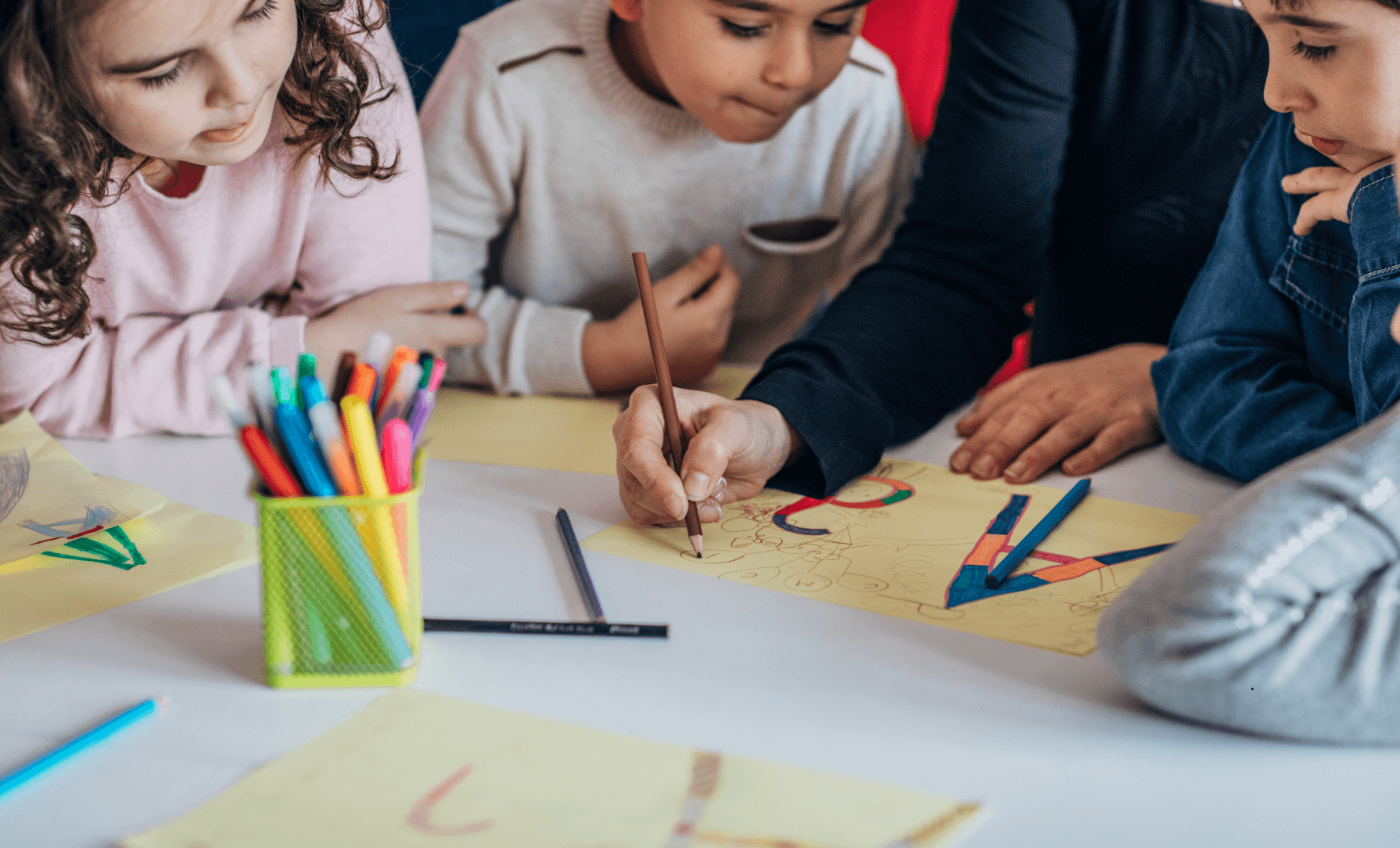
Create small, manageable social opportunities. One friend at a time is often better than a group. Structured activities with clear roles are easier than unstructured chaos. Work with their temperament, not against it.
The Real Risk
Here's what Kagan's research also found: about 40% of behaviorally inhibited children go on to develop anxiety disorders, typically social anxiety.
But flip that number around. More than half don't. The temperament itself isn't destiny.
What seems to make the difference is environment. Children whose parents are overprotective, who hover and intervene at every sign of discomfort, tend to have worse outcomes. So do children who absorb the message that something is fundamentally wrong with them.
The children who thrive are the ones whose temperament is accepted. Whose parents provide support without pressure. Who learn that being wired for caution is a trait, not a flaw.
Your job isn't to turn your quiet child into a loud one. It's to help them understand that the way they're built has value, and to give them tools to navigate a world that doesn't always see it.
Every child engages with the world differently. Understanding your child's unique temperament and strengths can help you support them in ways that feel natural rather than forced.
Start Your HeroType Journey
Take the HeroType Quiz with your child to uncover their unique strengths and hidden potential.